
Image credit: Orvis
If there’s one brand that understands how to sell the soul of fishing - it’s Orvis. Long before slick ads and social media, they were hooking anglers with something far subtler: beautifully written catalogs that felt like they belonged in your tackle box.
A Vermont Cast
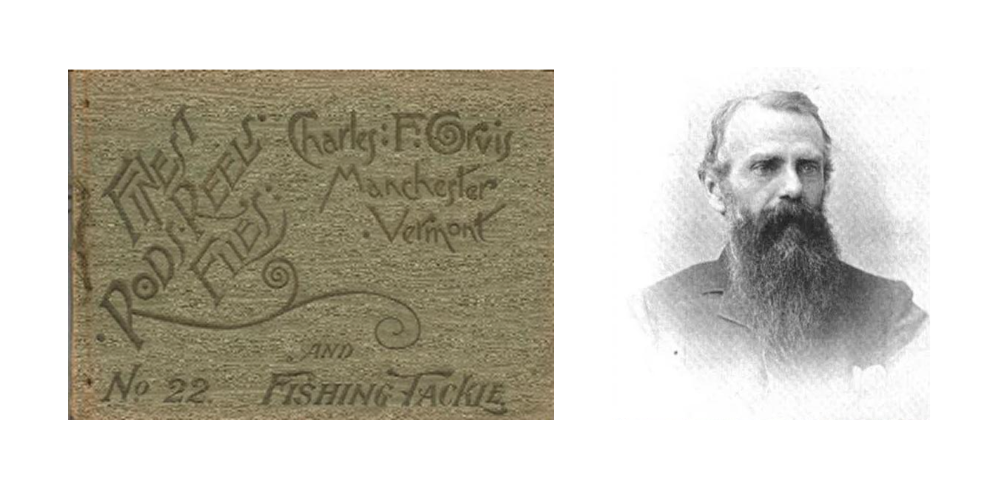
The story began in 1856, when Charles F. Orvis opened his shop in Manchester, Vermont USA. His focus was simple: high-quality fly-fishing equipment built with precision and care.
By 1874, he had patented what’s widely regarded as the first modern fly reel.
More Than Mail Order
Orvis catalogs had been around since the late 19th century, but by the mid-20th century they had become something special. For many anglers, they weren’t just shopping tools - they were a window into a slower, more deliberate way of life. Then came the 1970s, when Orvis truly leaned into storytelling…
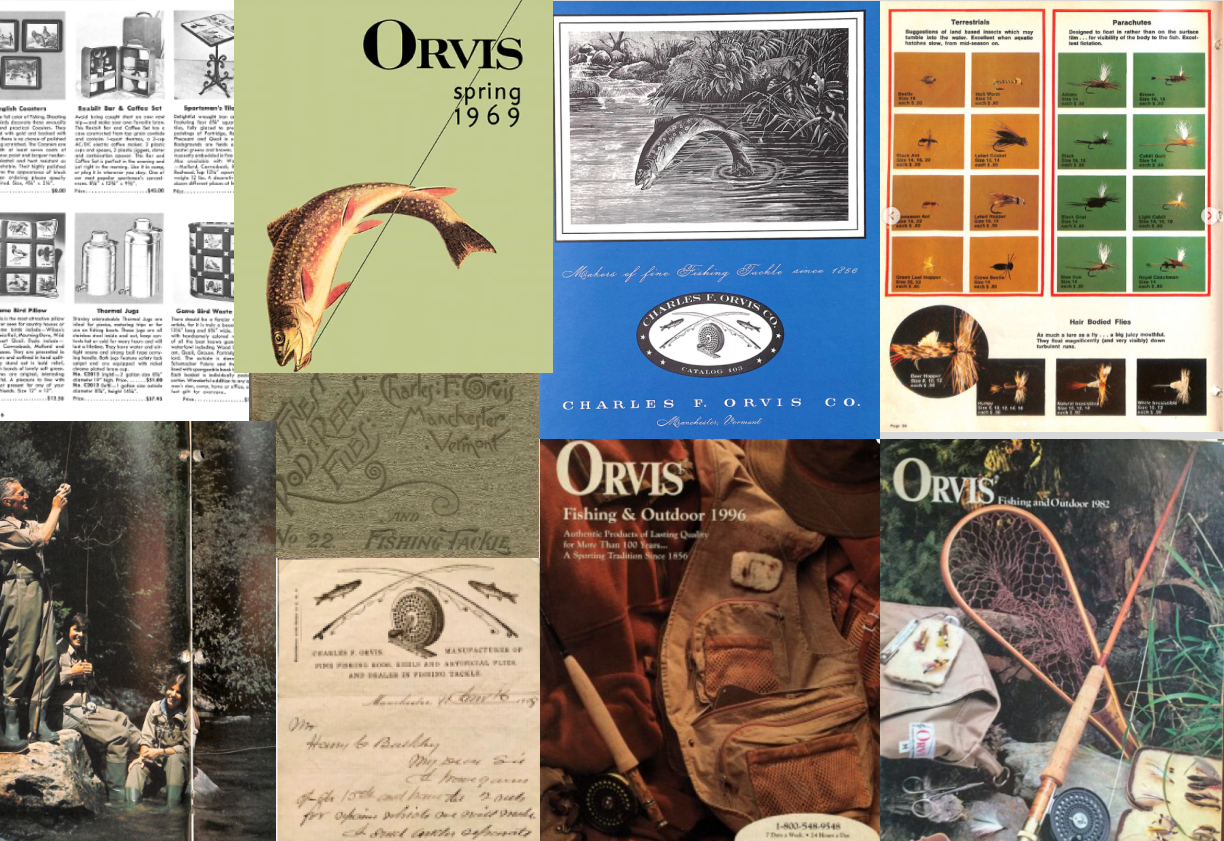
Image credit: Orvis
The 1970s: Selling the Feeling
The Orvis catalogs from this era don’t read like advertisements. They feel like field notes from the river. They’re full of essays, reflections, and a quiet appreciation for the craft of fishing. (Products were there, of course, but they never shouted for attention). The design really played its part: Clean layouts, muted tones, and photography that felt natural rather than staged. You could flip through a catalog over a coffee and imagine being out on the river yourself.
Orvis trusted that if you understood the experience, you’d understand the gear.
Fishing for the (Non-) Masses
What made these catalogs stand out was their restraint. Instead of pushing sales, they built a connection with their audience. They respected their audience’s intelligence and pure love of the sport - turning a simple catalog into something closer to a companion.
Into the upstream
Unlike many heritage outfitters, Orvis has stayed remarkably consistent. Still privately held, the company continues to produce gear and catalogs that reflect its roots.
Last lines
Where some brands sold adventure in bold strokes, Orvis painted something quieter - the pause between casts, the rhythm of the water, the story behind the sport.
And in the 1970s, they proved you don’t need to shout to be heard… sometimes, a well-told story does the job just fine.
Hero image credit: Orvis